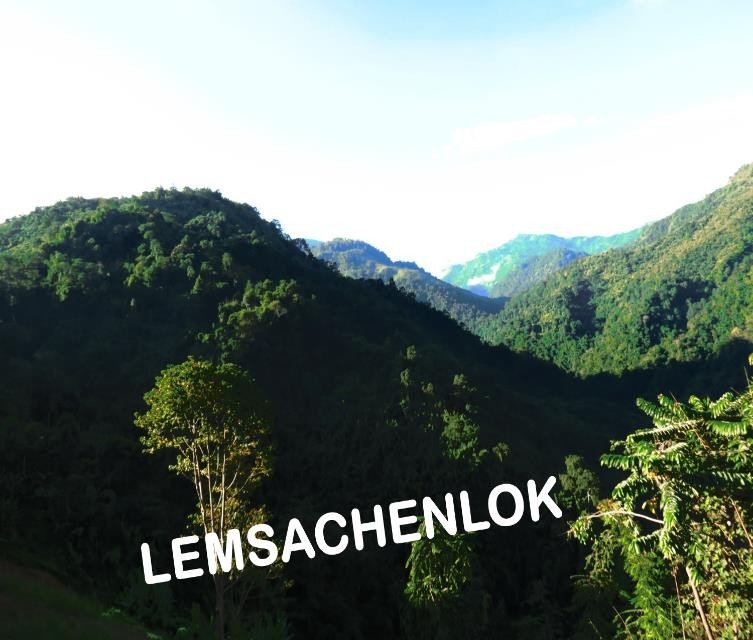
Forest landscape representing the biodiversity mission of Lemsachenlok

About Us

Building community-led conservation with education, dignity, and ecological care.

Lemsachenlok works across biodiversity conservation, rural education, and sustainable livelihoods so people and nature can thrive together in Longleng and beyond.

Who We Are

A rural development society rooted in thought, action, and responsibility.

LEMSACHENLOK is an amalgamation of four words from the Yaongyimchen dialect: LEMSA for researching, studying, reasoning, and thinking; CHENLA for working; CHEN for money; and TELOK for a group or society.

Conceptualised in 2007-2008 by Founder Chairman and Team Leader Y. Nuklu Phom and officially launched in 2012, the organization has grown into a community-based platform for biodiversity conservation, peacebuilding, education, and rural livelihoods.

2012 Official launch year
Give to Receive Guiding motto of reciprocal community care
Longleng, Nagaland Home base of the organization

Vision

Shape the future through biodiversity protection and holistic learning.

Lemsachenlok envisions harmonious coexistence between humans and biodiversity through Biodiversity Peace Corridors, Trans-Border Corridors, AlijoCademia, and sustainable livelihood systems grounded in scientific ecological management.

Mission

Take up conservation on a mission mode under MissioEcology.

The organization works to preserve biodiversity, improve local environments, protect threatened wildlife, and create alternative livelihood pathways through skill-building and community-led action.

Our Attention

Peace is not limited to humans. It belongs to the whole ecosystem.

Peace means justice, security, orderliness, and harmonious coexistence between people, forests, wildlife, and the larger living environment.

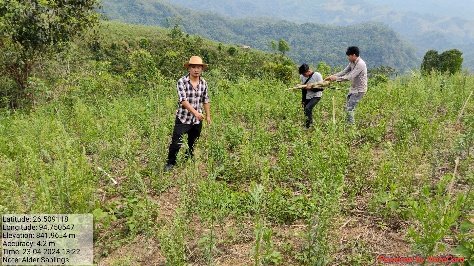
Lemsachenlok field work with local communities

What We Stand For

Practical conservation that communities can own.

Lemsachenlok connects ecological protection with local participation. Its work includes Community Biodiversity Conserved Areas, species documentation, People's Biodiversity Registers, traditional learning through AlijoCademia, and rural livelihood support.

  • Community-led biodiversity conservation
  • Rural education and traditional learning support
  • Women, youth, and village participation
  • Integrated livelihoods and microfinance pathways

More About Us

Background and organization profile.

Who We Are

LEMSACHENLOK is an amalgamation of four words from the Yaongyimchen dialect: LEMSA (researching, studying, reasoning, thinking), CHENLA (working), CHEN (money), and TELOK (a group or society). The organization was conceptualized in 2007-2008 by Founder Chairman and Team Leader Y. Nuklu Phom and officially launched in 2012.

Its motto, Give to Receive, reflects a model of reciprocal community care rooted in biodiversity conservation, peace, learning, and rural development.

Vision

Shaping the future by protecting biodiversity, creating an augmented ecosphere to usher harmonious coexistence between humans and biodiversity, and building larger landscape biodiversity conservation under Biodiversity Peace Corridors and Trans-Border Biodiversity Corridors. Lemsachenlok also works to strengthen rural education through AlijoCademia and create sustainable livelihoods through innovative, integrated, scientific biodiversity management.

Mission

Lemsachenlok takes up biodiversity conservation on a mission mode under MissioEcology. Its work is dedicated to conserving and preserving biodiversity, creating improved environments through biodiversity peace corridors, securing safe asylum to threatened and endangered wildlife, and conferring alternative sustainable livelihoods through skill-building and community participation.

Our Attention

Peace is not limited to humans. It encompasses the entire ecosystem. In this understanding, peace means harmonious coexistence between humans and biodiversity, orderliness, justice, equality, and a sense of security everywhere.

Call To Action

Work with Lemsachenlok for conservation, education, and community development.

Connect with the team for partnerships, grassroots programs, biodiversity initiatives, field research, or community livelihood collaborations.